Chapter
Chapter 3: Mathematical Modelling of Engineering Systems
What is covered
Week 6 2 Nov to 8 Nov 2026
- Mechanical systems: free-body diagrams and Newton's method
- Translational and rotational elements
- Electrical systems: Kirchhoff's laws
Week 7 9 Nov to 15 Nov 2026
- Electromechanical systems: the DC motor
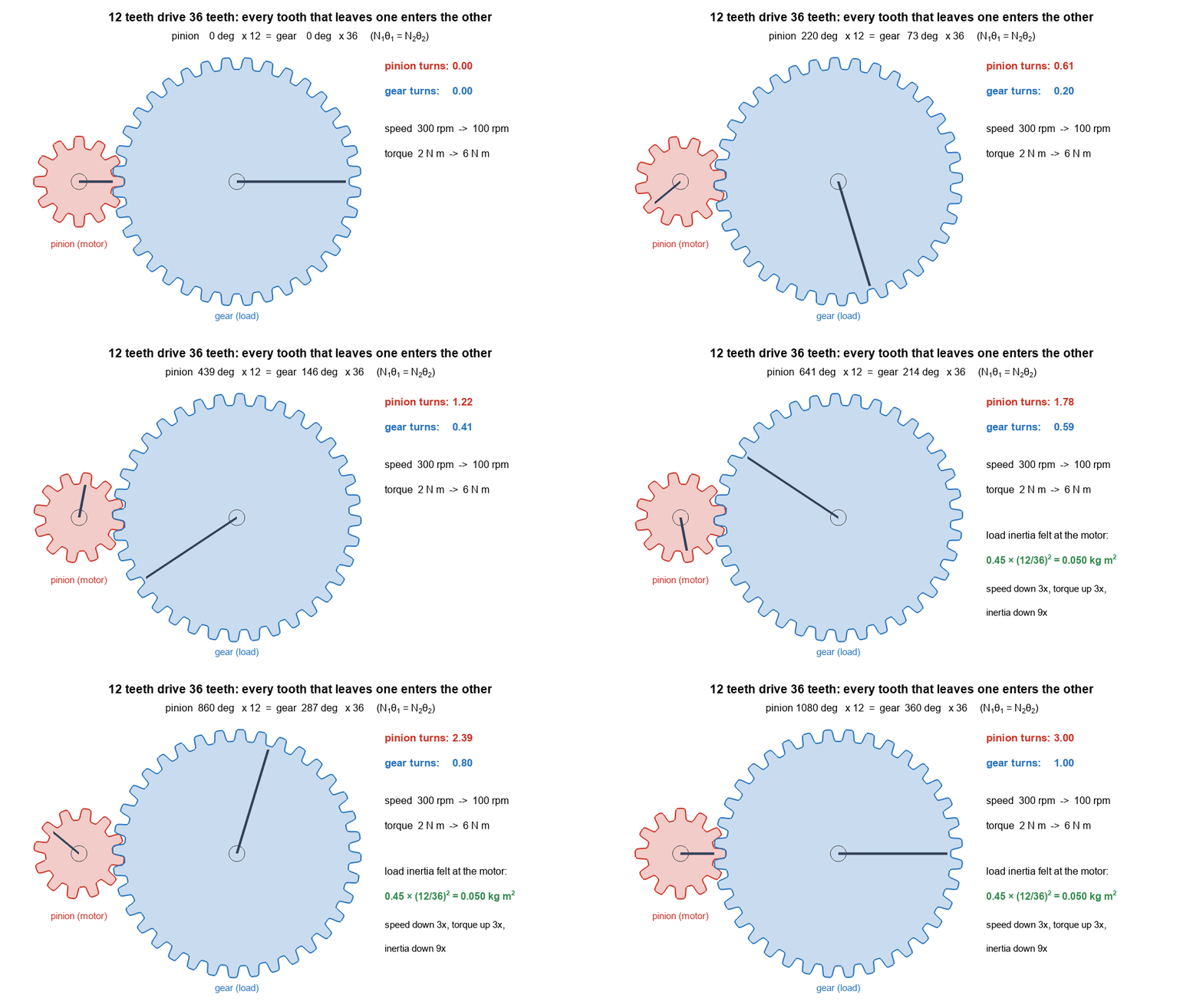
- Gear reduction and reflected inertia
- Fluid and thermal systems; the energy (Lagrange) method
- Test 1 briefing: format, blueprint and marking
Lecture videos
Week 6, 4 parts, about 21 minutes
0 of 4 watched
Progress stays in this browser. Sign in with your UiTM account to record it for your lecturer.
Part 1: Why build a model
Part 2: Newton's method: two masses on one mount
Part 3: A driven cart and a pivoted bar
Part 4: The series RLC circuit
Week 7, 6 parts, about 32 minutes
0 of 6 watched
Part 5: The DC motor
Part 6: Gears and reflected inertia
Part 7: BLDC hover (optional)
Part 8: Tanks and heat
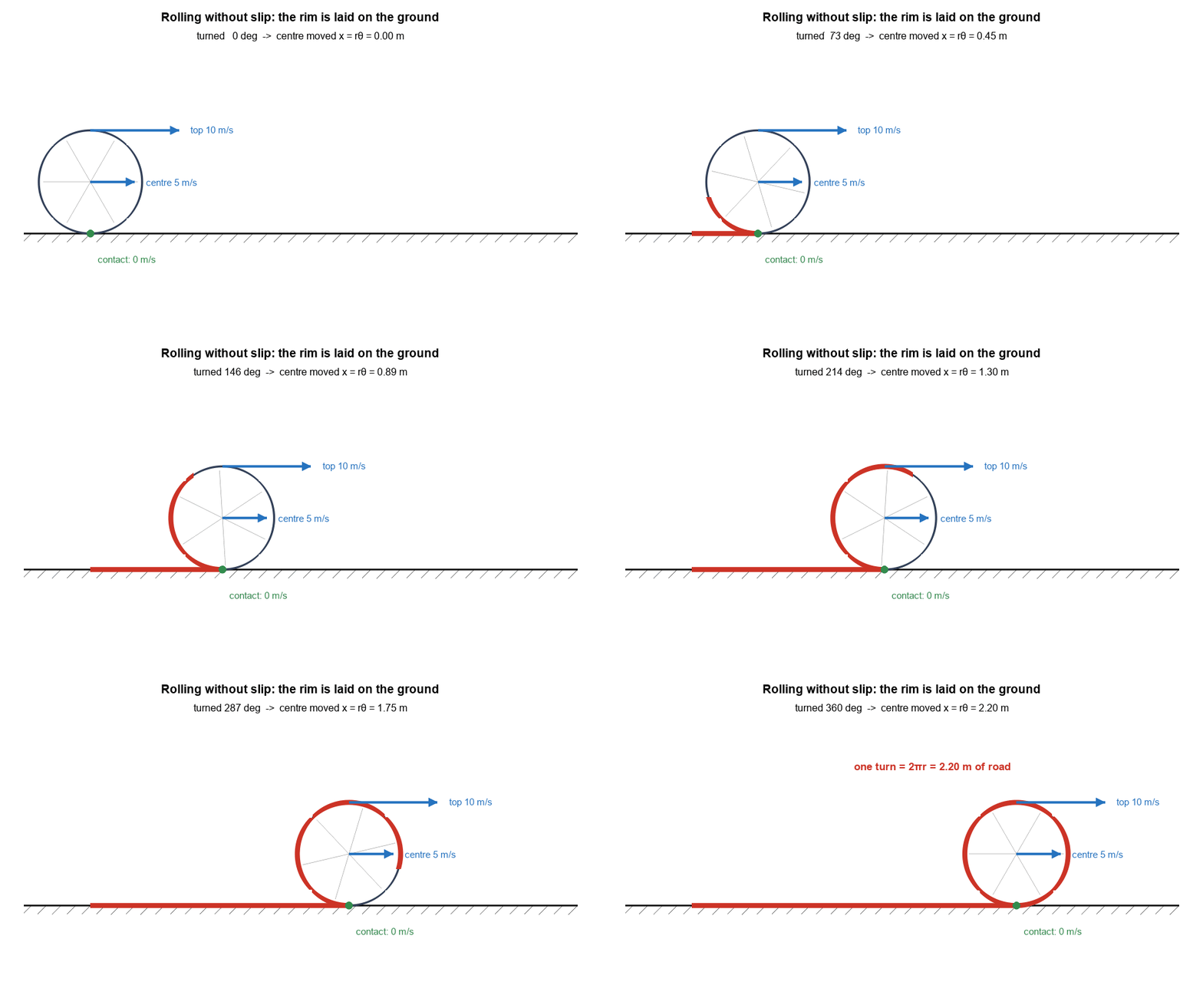
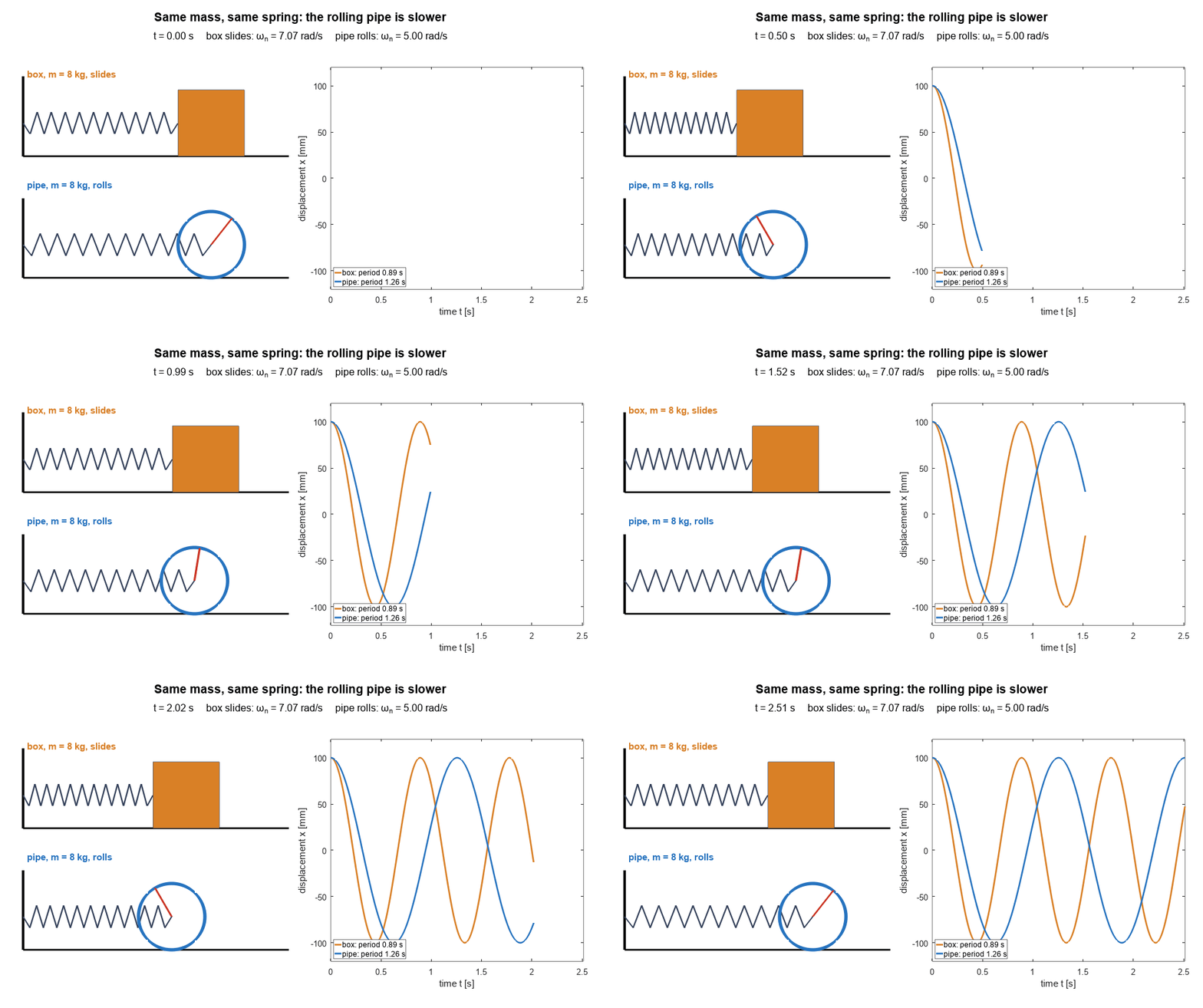
Part 9: The energy method and rolling
Part 10: Traps and takeaways
Try it
Week 6 live lesson, 12 stepsFree-body diagram to transfer functionNewton's method on an isolation table, then on a self-closing gateWeek 6 live lesson, 10 stepsTwo meshes, one shared branchKirchhoff's voltage law on a supercapacitor ride-through for a PLCWeek 7 live lesson, 9 stepsA motor, a gearbox and a doorDC motor modelling with reflected inertia on a roller-door driveWeek 7 live lesson, 9 stepsTwo tanks that talk backConservation of mass on a two-compartment settling tankWeek 7 live lesson, 12 stepsEnergy instead of forcesThe Lagrange method on a rowing machine: one coordinate, no cord tensionWeek 7 live lesson, 8 stepsOne door, every Test 1 skillA fire door with a closer and a motorised opener: model, transfer function, step response, feedback and state spaceVirtual labDC motor simulatorChange the parameters and watch the response
Cheat sheet
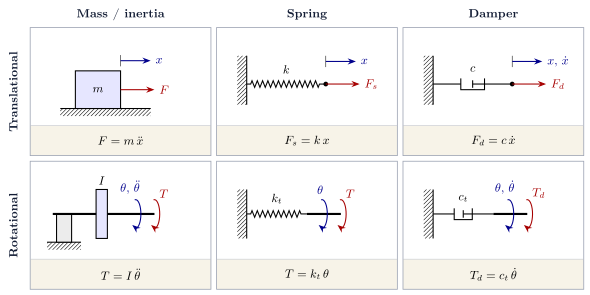 One page for Chapter 3The key picture, which formula to use when, and the ways to lose marksOpen the Chapter 3 cheat sheet
Animations
Show the 4 animations from the lecture slides and the chapter overview
Download
- Lecture slides (handout) PDF, 4.2 MB